Fact-Checking 'Brown N Proud': Historical Roots Vs. Social Media Myth
 By Chloe Bennett
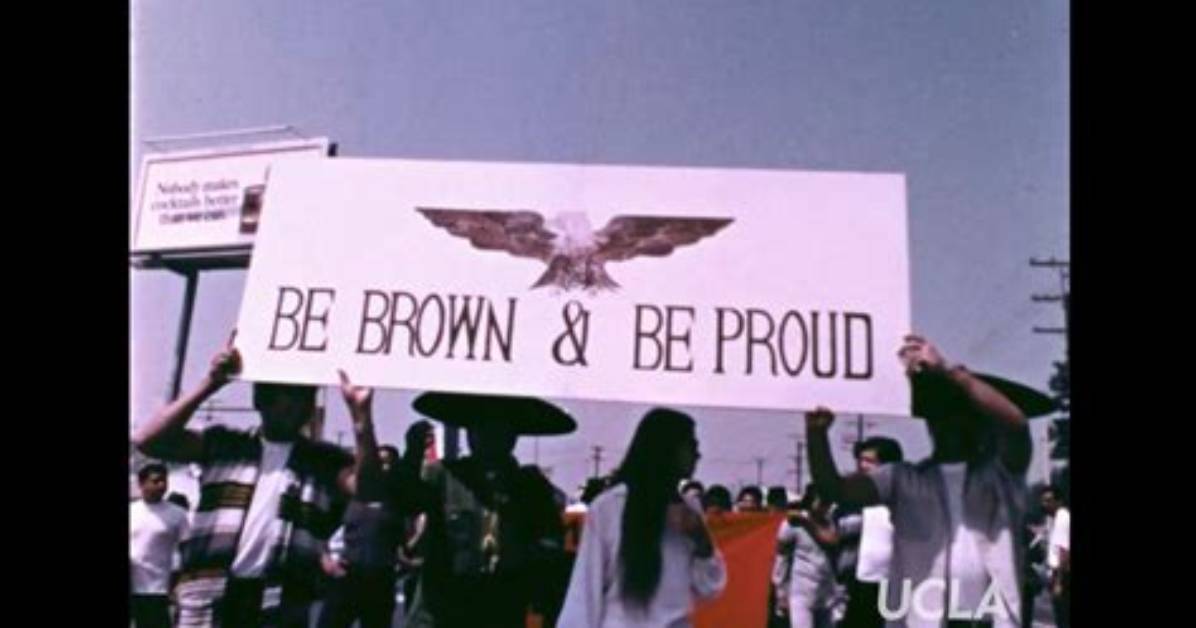
While Chicano activists were organizing across the American Southwest, a parallel linguistic shift was occurring thousands of miles away in post-colonial Britain.
During the late 1970s and early 1980s, South Asian immigrants from India, Pakistan, and Bangladesh faced relentless street violence from fascist groups like the National Front, alongside institutional hostility from police forces. Following the murder of 18-year-old Gurdip Singh Chaggar in Southall in June 1976, local youth broke away from older, conservative community associations that counseled quiet accommodation.
They established the Southall Youth Movement (SYM), followed quickly by the Asian Youth Movements (AYMs) in Bradford, Sheffield, and East London. These young organizers, heavily influenced by Caribbean anti-racist coalitions and American civil rights literature, embraced black and brown political identities.
During defense campaigns, such as the landmark trial of the Bradford 12 in 1981, where young South Asians were acquitted after manufacturing petrol bombs to defend their community against planned fascist incursions, slogans asserting pride in their background were shouted from courtroom steps and picket lines. The assertion of brown identity was not cultural marketing. It was a strategy for survival and community self-defense.
Chloe Bennett explores the intersection of pop culture, streaming entertainment, digital trends, and contemporary lifestyle. Her weekly commentary reaches thousands of culture enthusiasts.
