Fact Check: the Truth Behind the Blue, Pink, and White Flag Sparking Court Rulings and Campaign Ads
 By Sophia Al-Mansoor
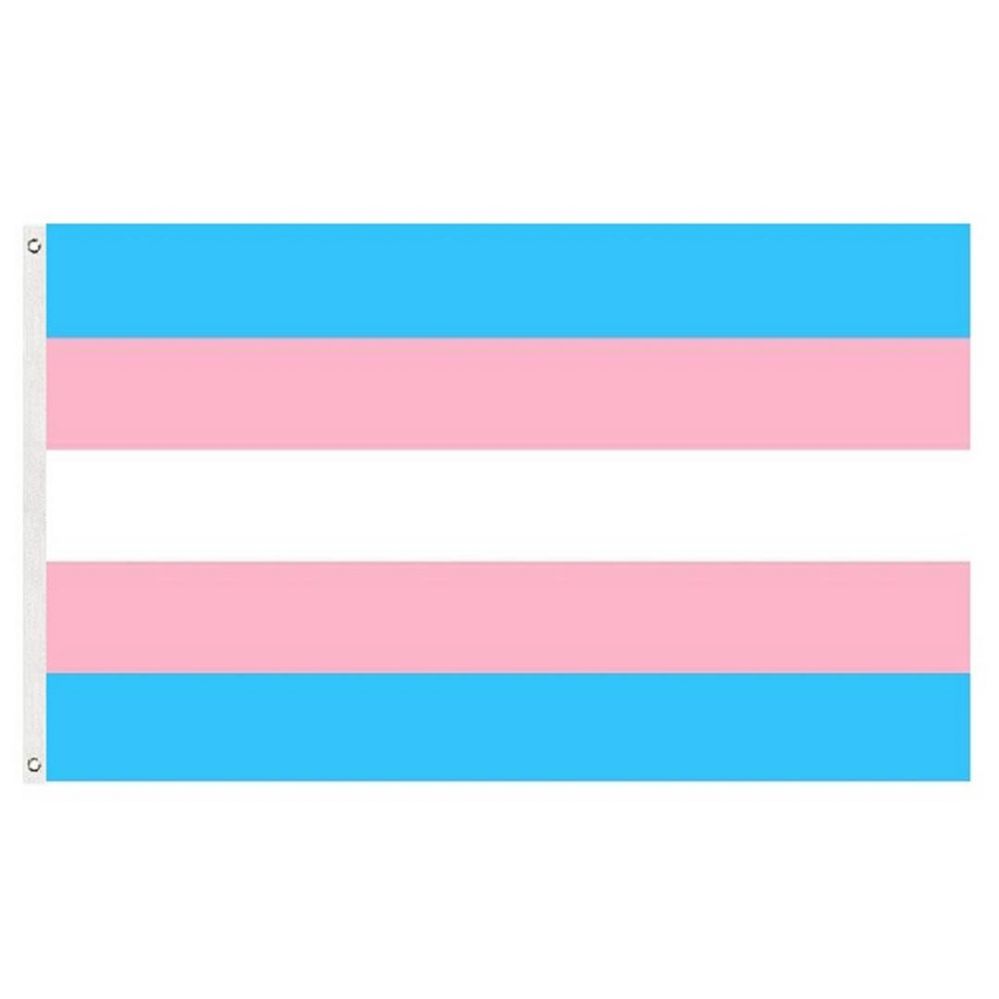
What do the colors of the blue, pink, and white flag mean?
The light blue represents boys, reflecting the traditional color for male infants. The light pink represents girls, reflecting the traditional color for female infants. The central white stripe symbolizes non-binary people, individuals who are intersex or in the process of transition, and those without a defined gender identity.
Can public schools legally ban students from wearing the trans pride flag?
Under the Supreme Court’s *Tinker v. Des Moines* ruling, public school students maintain First Amendment speech protections as long as their personal expression does not cause a substantial disruption to school operations. Federal courts have consistently blocked attempts to discipline students simply for wearing trans pride pins, wristbands, or clothing patches.
Why are city councils voting to ban the flag from municipal poles?
Following the 2022 *Shurtleff v. City of Boston* Supreme Court decision, cities realized that if they open civic flagpoles to outside group applications without strict rules, they cannot deny flags based on viewpoint. To avoid flying controversial flags while avoiding First Amendment lawsuits, many city councils voted to restrict municipal poles exclusively to official federal, state, and city banners.
Who created the flag and where is the original kept?
Navy veteran Monica Helms designed and stitched the first flag in August 1999. In August 2014, Helms formally donated the original flag to the Smithsonian National Museum of American History in Washington, D.C., where it remains preserved in the national political collection.
Sophia analyzes international trade, startup ecosystems, retail transformation, and supply chain logistics for modern digital publications.
