Fact Check: Does Lenovo Require Special Software to Take Screenshots?
 By Marcus Vance
For three decades, standard desktop keyboards placed the screen capture trigger in the upper-right navigation island, beside Scroll Lock and Pause/Break. Lenovo threw that design convention out the window when standardizing the modern Lenovo ThinkPad keyboard layout.
Look at an enterprise ThinkPad T14, X1 Carbon, or P-series mobile workstation. The upper row does not feature a dedicated capture button. Instead, company engineers moved the print screen button down to the bottom row, wedged directly between the right Alt and right Ctrl keys. To someone typing without looking, that button feels like an extra modifier key rather than a display trigger.
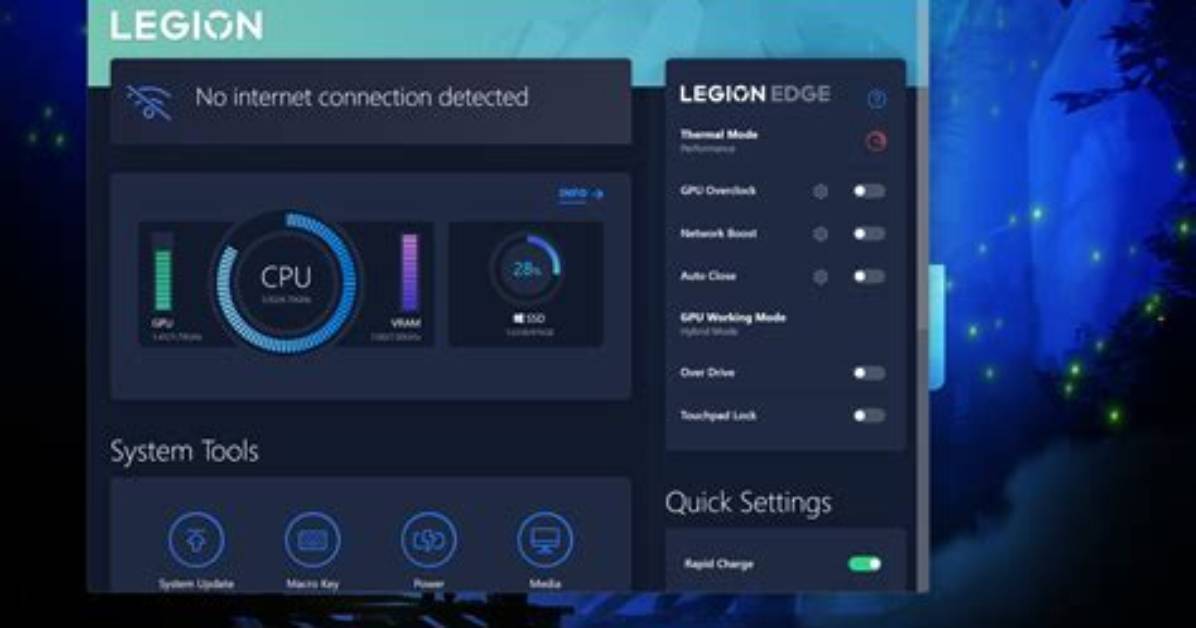
On consumer IdeaPad and Legion gaming notebooks, the situation changes again. Designers often compress the key onto the top row function keys (F1, F12). This layout introduces a secondary hurdle: the function layer state. If your machine boots with FnLock active, hitting that switch executes an audio mute, brightness shift, or track change rather than snapping your display. Grasping this physical drift solves half the mystery before touching a single settings menu.
Marcus Vance is a cybersecurity auditor and technology writer dedicated to educating the public about online safety, data privacy regulations, enterprise security, and emerging cyber threats.
