Ear Candling Controversies: from Ancient Ritual to Modern Medical Alerts
 By Elena Rostova
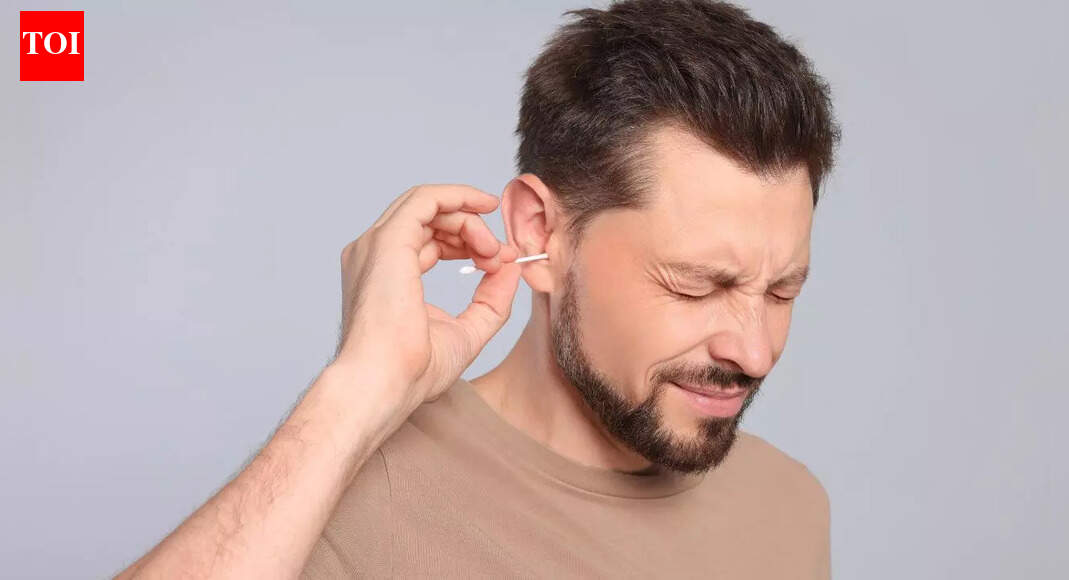
Marketing campaigns for ear candling frequently point to ancient traditions, citing Egyptian hieroglyphs, Aztec medicine, and Hopi tribal rituals. These claims unravel under historical scrutiny. The Hopi Cultural Preservation Office has repeatedly issued statements condemning the commercial use of their name, confirming that ear candling is not, and has never been, an indigenous Hopi healing practice.
The modern iteration of the ear candle surfaced during the alternative wellness boom of the late 1980s. Manufacturers constructed hollow cones from muslin or linen soaked in paraffin, soy wax, or beeswax. By wrapping the ritual in spiritual language and marketing it to boutique day spas, suppliers established a lucrative market segment. Spas charged $60, $120 per session, presenting the procedure as an ancient cure for chronic sinusitis, tinnitus, vertigo, and migraines. As manufacturing costs dropped below $0.50 per unit, direct-to-consumer kits migrated onto retail shelves, moving a risky procedure into unsupervised home bathrooms.
Elena Rostova holds a Master's degree in Public Health Journalism. She covers groundbreaking medical research, holistic wellness trends, mental health awareness, and nutritional science.
