Does 'Ne' Really Mean Yes? the Linguistic Truth Behind Korean Agreement Patterns
 By Maya Lin-Takahashi
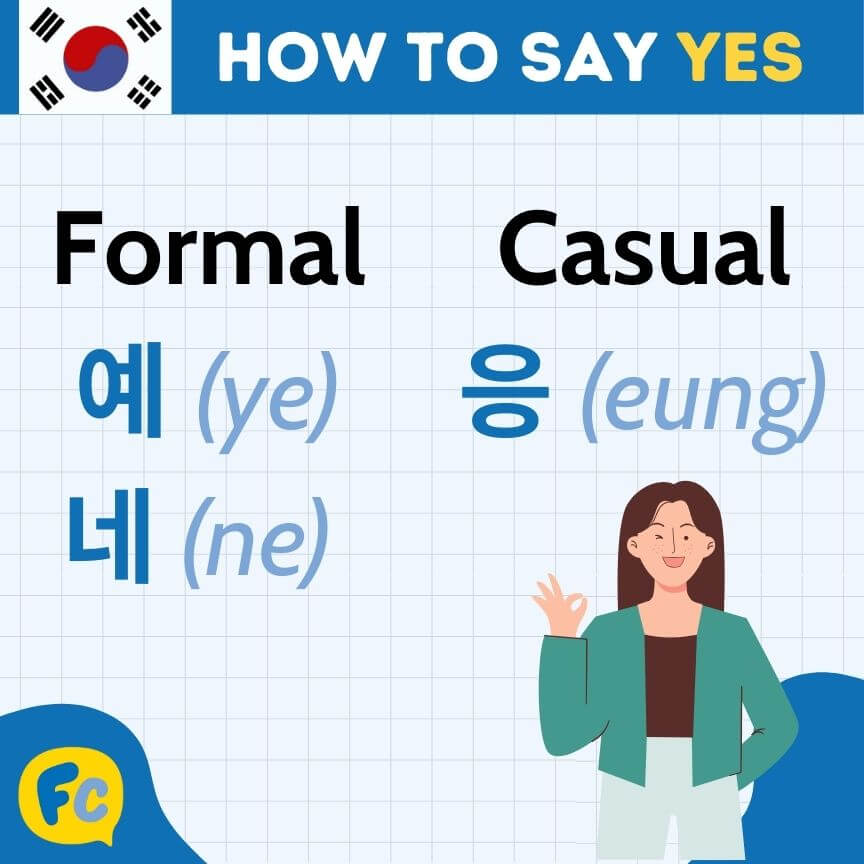
English is an absolute polarity language. If you ask, "Didn't you eat lunch?" the English response "No" targets the action itself: no eating occurred. Korean, conversely, operates on relative agreement polarity. When answering negative questions in Korean, your response confirms or rejects the speaker's framing.
If someone asks, "Bap an meogeosseoyo?" (밥 안 먹었어요? / "You didn't eat lunch?"), replying with ne means: "That is correct; your statement that I did not eat is true." Replying with aniyo (아니요) means: "Your statement is incorrect; I actually did eat."
This structural divergence creates frequent operational misunderstandings in bilingual workplaces. During project standups, an expat manager asking, "Has the client review not arrived?" will interpret a junior developer's "Yes" as confirmation that the review arrived. In reality, the developer intended to say, "Yes, you are right, it has not arrived." Navigating this divide requires decoupling the word from the Western concept of an affirmative action and reframing it as a validation of the listener's premise.
Maya is a hardware enthusiast who tests and reviews smart home devices, smartphones, wearables, and audio gear. She focuses on practical consumer value and build quality.
