Dissecting the 'Neuro Honey' Ads: Red Flags and Fabricated Ai Endorsements
 By Elena Rostova
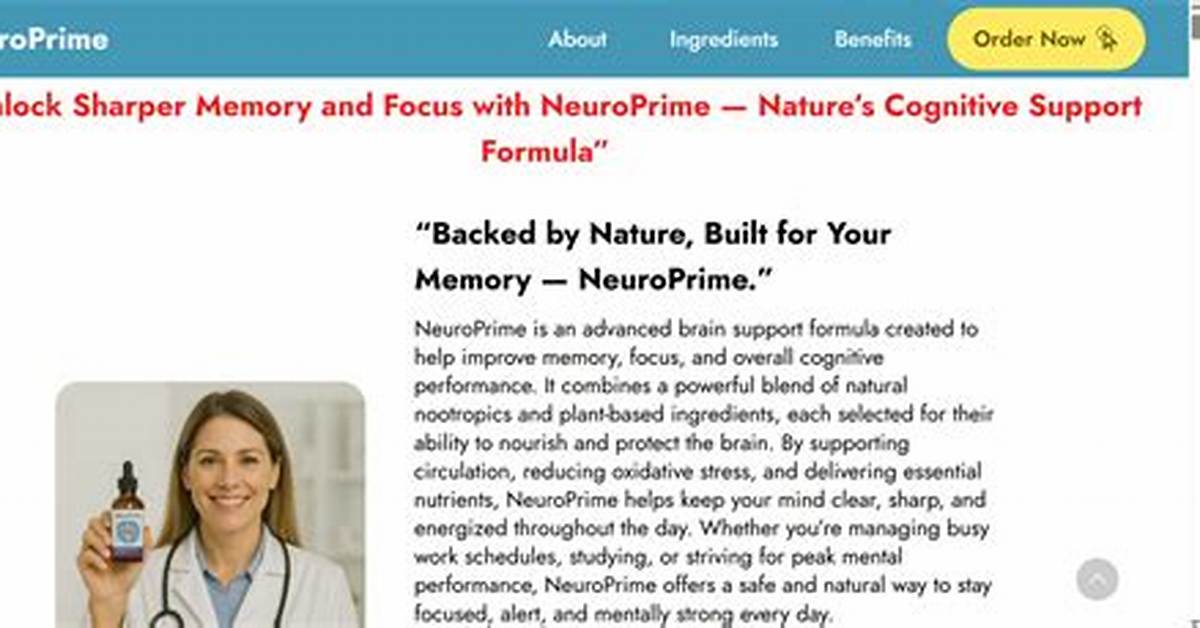
The campaign took off through programmatic video placement across Meta and Alphabet ad networks. Content mills uploaded hundreds of short videos demonstrating how to brew a homemade infusion. Narrators spoke of a suppressed clinical study from an unnamed European institute, asserting that big pharmaceutical corporations spent decades silencing a simple culinary answer to memory loss.
The videos followed a deliberate structural template. The opening eight seconds featured an alarming hook warning that common prescription dementia medications accelerate brain shrinkage. The footage then transitioned to a home kitchen where an actor slowly stirred turmeric, black pepper extract, royal jelly, and cinnamon into warm amber honey. Viewers were told that while the base formula could be prepared at home, optimal clinical results required a "stabilized, pharmaceutical-grade" extraction sold through an exclusive portal linked in the caption.
Once users clicked through, the amateur cooking video disappeared. In its place stood an aggressive direct-response sales funnel. These landing pages featured countdown timers, fabricated customer testimonials accompanied by stock photography, and fake seals from the U.S. Food and Drug Administration. The narrative shifted rapidly from a DIY wellness tip to urgent commercial pressure, urging caretakers to purchase multi-bottle packages before regulatory agencies supposedly forced the website offline.
Elena Rostova holds a Master's degree in Public Health Journalism. She covers groundbreaking medical research, holistic wellness trends, mental health awareness, and nutritional science.
