Correlation vs Causation: the Truth About Lines of Best Fit
 By Chloe Bennett
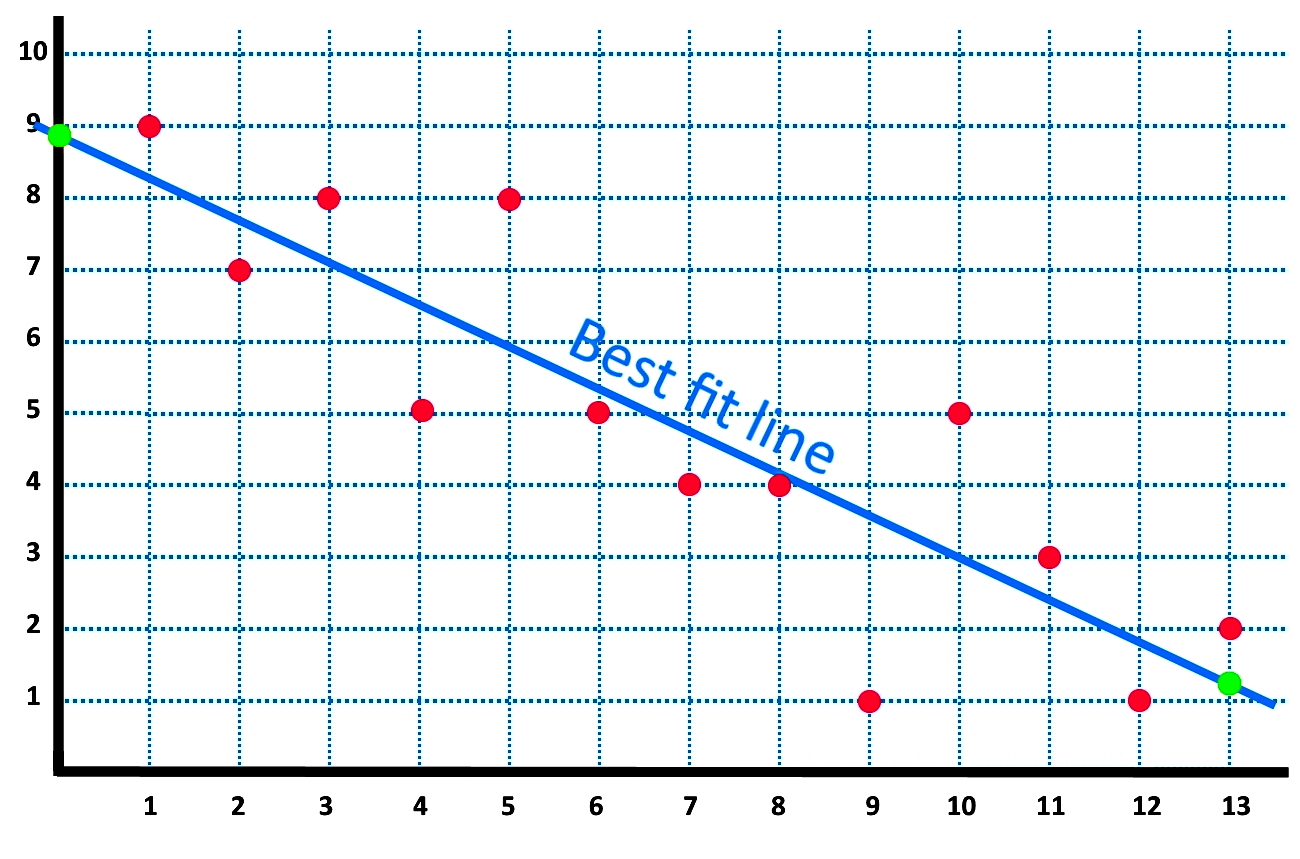
The mathematical reality of regression is simple: fitting a line calculates covariance, while establishing causation requires experimental control, chronological precedence, and the elimination of plausible alternatives. Conflating the two produces systemic organizational failures.
Confounding variables represent the most common source of false conclusions. Consider the standard textbook demonstration: plotting seasonal ice cream revenues against regional drowning incidents produces a positive slope and a strong correlation coefficient exceeding 0.80. Running an automated linear regression yields an authoritative trendline with a statistically significant $p$-value. Yet intervening to limit ice cream distribution will have zero impact on water safety. Both variables fluctuate in response to an unplotted confounding factor: rising summer temperatures that simultaneously increase frozen dessert sales and outdoor swimming.
[ Confounder: Rising Summer Temperatures ]
/ \
/ \
v v
[ Ice Cream Sales ] <---> [ Drowning Incidents ]
(Apparent Correlation, Zero Causation)
A subtler threat emerges from the ecological fallacy, which occurs when analysts map aggregated group metrics on a scatter plot and apply those conclusions directly to individuals. At the national level, plotting average broadband speeds against life expectancy yields a remarkable linear trendline. At the level of individual citizens, however, purchasing faster internet does not extend lifespan. The apparent link is an artifact of aggregate national wealth, healthcare funding, and regional infrastructure development.
Reverse causality introduces its own distortions. A strong negative slope between corporate cash balances and short-term debt financing might suggest that high liquidity discourages borrowing. In reality, deteriorating credit environments frequently force companies to burn through liquid reserves while simultaneously drawing down emergency credit facilities. The trendline captures the co-occurrence, but inverts the underlying operational mechanism.
Chloe Bennett explores the intersection of pop culture, streaming entertainment, digital trends, and contemporary lifestyle. Her weekly commentary reaches thousands of culture enthusiasts.
