Complete Fix Guide: How to Safely Remove Stains from Laptop Screens
 By Chloe Bennett
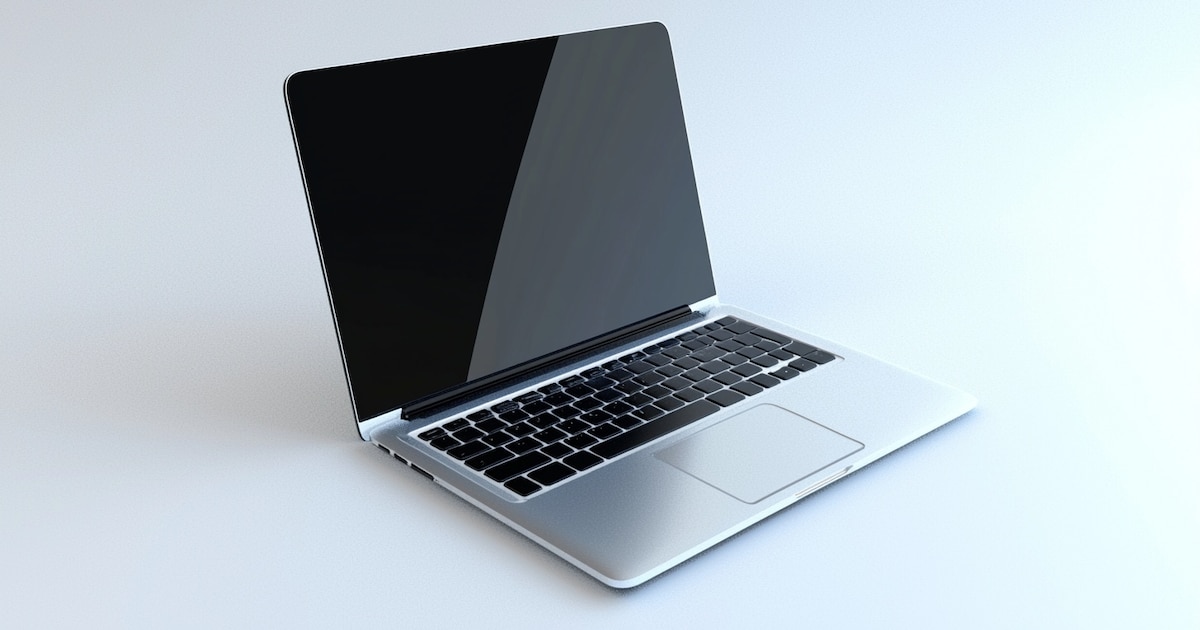
Not every blemish on a laptop display starts with spilled liquid or errant fingerprints. A significant percentage of screen marks develop while the notebook rests inside a commuter backpack. Modern ultrabooks minimize chassis thickness by engineering clearances down to fractions of a millimeter. When you pack an ultra-thin laptop tightly against books or power adapters, the screen flexes directly onto the keyboard deck.
Natural skin sebum accumulates on keycaps during routine typing. Once pressed against the glass or plastic polarizer, that oil transfers directly onto the display, outlining the keyboard grid. Over time, friction from daily movement acts like fine-grit sandpaper. The keys rub the oil and microscopic dust grains into the panel, eroding the outer anti-glare finish. The resulting rectangular blemish looks like grease, but it behaves like an etched scratch that stubbornly refuses to wipe away.
Debris trapped inside closed laptops compounds the damage. A single grain of sand or a stray crumb pinched between the keyboard and the glass creates a concentrated pressure point. That localized stress can crack delicate surface coatings or puncture internal liquid crystal layers, creating permanent white or dark spots that users initially confuse with surface stains.
Chloe Bennett explores the intersection of pop culture, streaming entertainment, digital trends, and contemporary lifestyle. Her weekly commentary reaches thousands of culture enthusiasts.
