Coca-Cola Expands Zero Caffeine Push as Health Scrutiny Grows
 By Robert Thorne
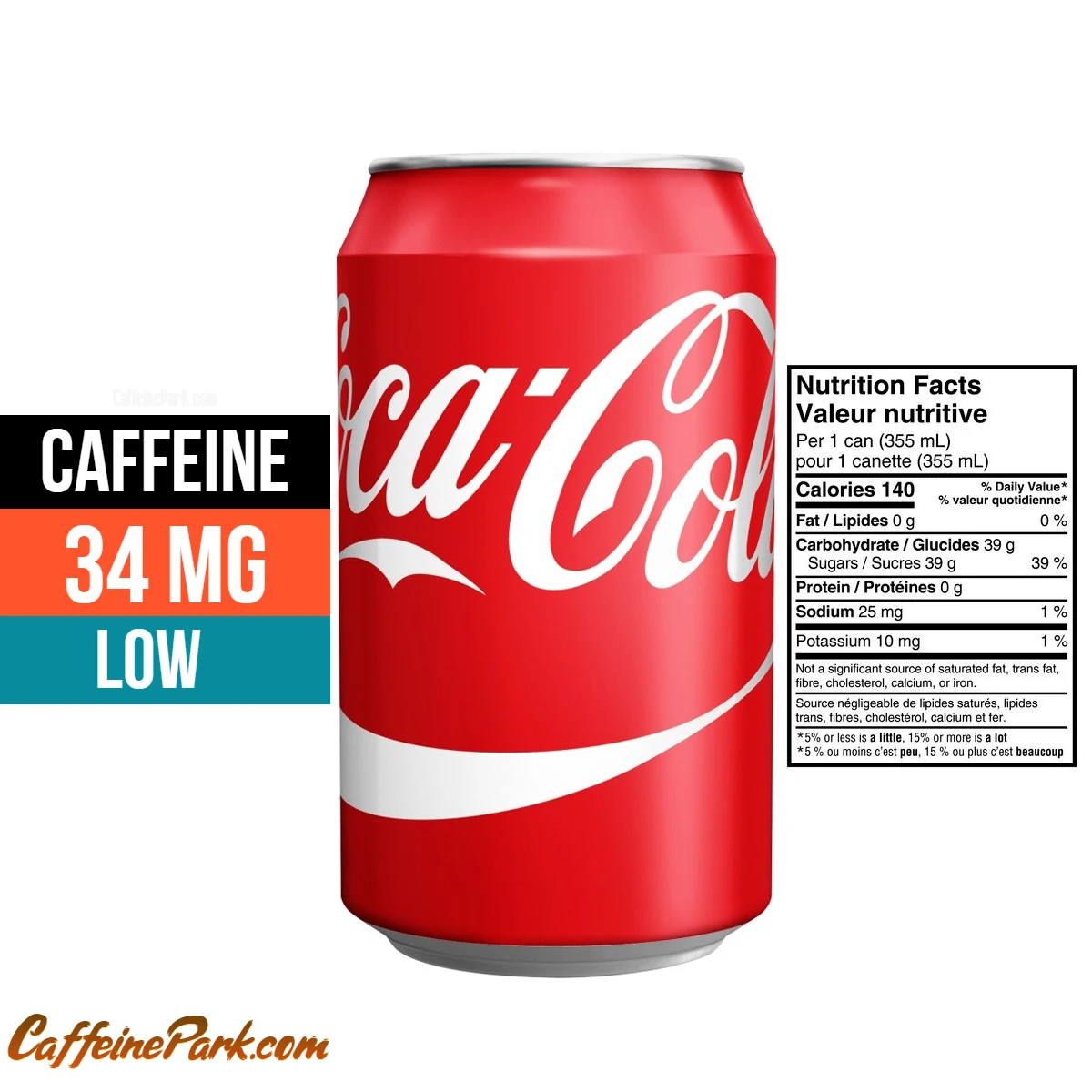
Public health institutions have sharpened their focus on low-dose stimulants consumed late in the day. The biological half-life of caffeine ranges between 4 and 6 hours. A consumer drinking a 12-ounce can of Diet Coke at 7:00 PM while watching television still carries roughly 23 mg of active caffeine in their bloodstream at 11:00 PM. That residual stimulant actively blocks adenosine A1 and A2A receptors in the brain, suppressing the natural biochemical signal for sleep.
Clinical data shows that evening stimulant consumption degrades deep slow-wave sleep and REM phases, even when people report falling asleep without difficulty. For individuals with pronounced caffeine sensitivity symptoms, such as nocturnal heart palpitations, micro-awakenings, or morning grogginess, even 30 milligrams can ruin sleep efficiency. Rising consumer tracking via wearable devices has turned millions of ordinary drinkers into amateur sleep researchers. People now see the direct correlation between an evening soda and a ruined rest score on their watch screens.
That physiological reality triggered a quiet business dilemma in Atlanta. Soft drink sales historically collapse after 6:00 PM. Consumers migrate toward herbal infusions, sparkling water, or alcohol because they fear sleepless nights. Capturing those lost evening hours represents one of the few remaining volume growth opportunities in mature soft drink markets.
Robert Thorne covers electric vehicle innovations, autonomous driving systems, global mobility trends, and automotive engineering developments.
