Chasing Sovereign Dreams: the Bizarre History of Bir Tawil Expeditions
 By Sophia Al-Mansoor
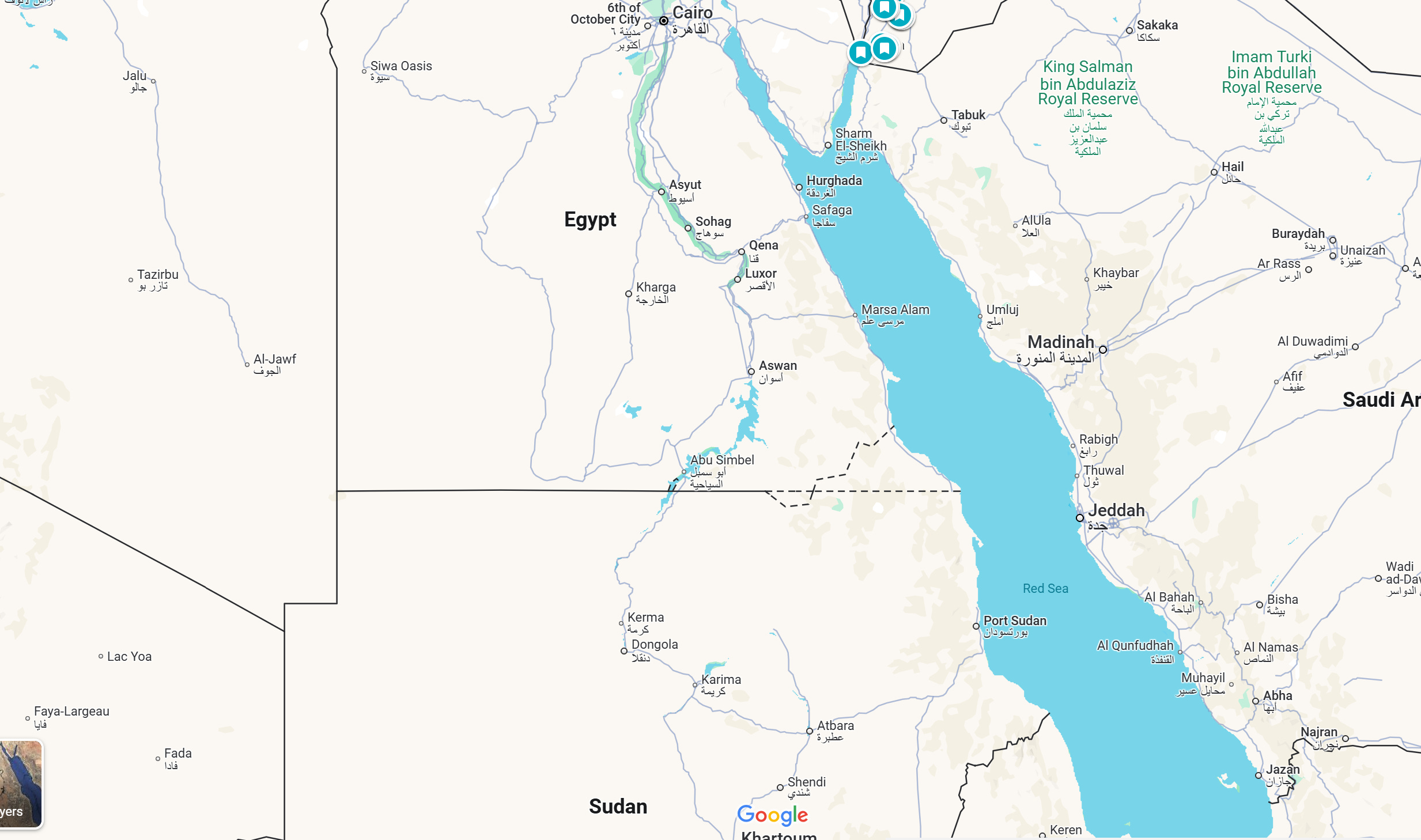
While Western hobbyists treat Bir Tawil as a legal sandbox, the land is far from empty. For centuries, the Ababda and Bishari tribes have moved through the region following seasonal rain patterns that nourish sparse acacia shrubs. These nomadic pastoralists recognize customary tribal grazing arrangements rather than 19th-century colonial treaties.
Since the late 2010s, another group has transformed the interior: artisanal gold miners. Drawn by informal gold rushes sweeping Sudan and Upper Egypt, thousands of wildcat prospectors operate metal detectors, excavators, and diesel-powered crushing mills across Bir Tawil's dry riverbeds (wadis).
These miners live in rough-and-ready camps without government services, enduring armed robbery, heatstroke, and mercury toxicity. Neither Cairo nor Khartoum officially taxes the gold dug from Bir Tawil, but border security forces closely monitor transit corridors leading out of the zone. Egyptian military intelligence patrols the northern border along the 22nd parallel, periodically detaining undocumented travelers and confiscating mining equipment.
To the local miners and nomadic herders, foreign micronation travelers are bewildering curiosities. Visitors who show up in air-conditioned SUVs to wave customized royal crests are escorted by armed security drivers hired at exorbitant rates in Aswan. The visitors take their photos, leave their flags behind to disintegrate in the ultraviolet sun, and hurry back to hotels with running water before their supplies run dry.
Sophia analyzes international trade, startup ecosystems, retail transformation, and supply chain logistics for modern digital publications.
