Can Private Callers Really Stay Untraceable? the Truth Behind Hidden Numbers
 By Maya Lin-Takahashi
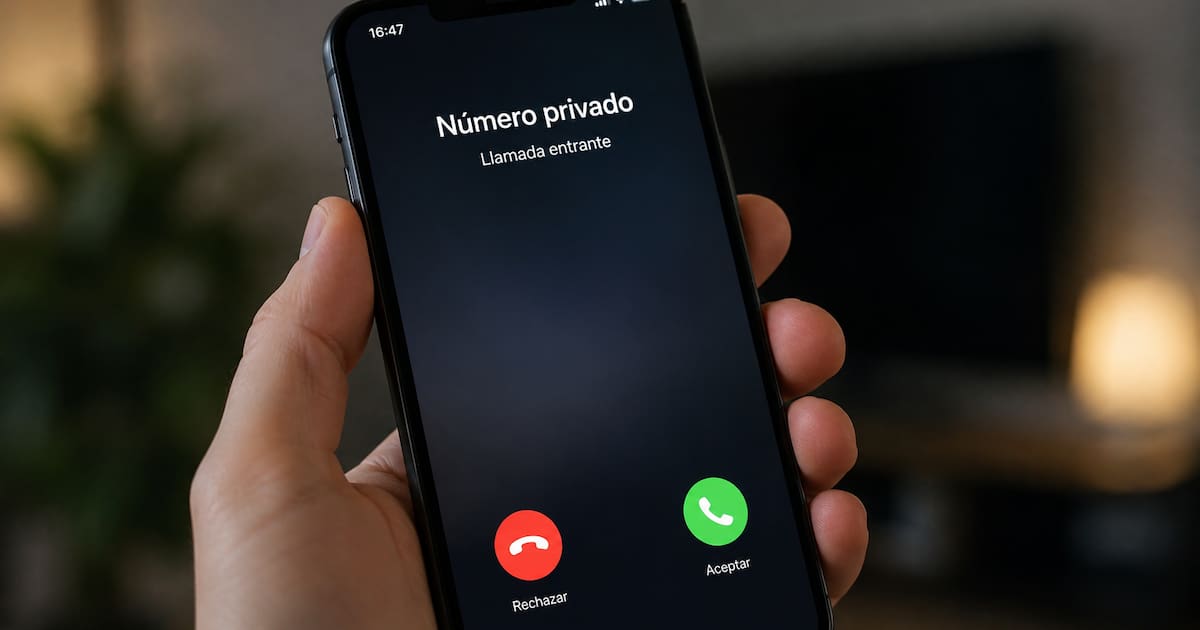
Misunderstandings surrounding private calls frequently intersect with caller ID spoofing. While hiding a number sends a legitimate request to display blank text, spoofing involves injecting fraudulent metadata into the outbound SIP header to display someone else's identity. For years, bad actors leveraged open-source PBX servers and predatory VoIP aggregators to impersonate corporate banks, tax agencies, and police departments.
Regulators responded by mandating the STIR/SHAKEN authentication suite across major domestic and international networks. Under this protocol, originating carriers digitally sign calls using cryptographic certificates categorized into three tiers:
Full Attestation (A) confirms the carrier knows the customer and verifies their legal right to display that specific phone number. Partial Attestation (B) means the carrier knows the customer initiating the call, but cannot verify if they own the display number. Gateway Attestation (C) indicates the call originated from an untrusted international gateway or unverified third-party connection. Calls carrying *67 or #31# modifiers maintain their cryptographic attestation at the network level while restricting customer display. However, spoofed connections lacking valid digital signatures are systematically downgraded, marked as suspicious, or blocked altogether by modern routing filters.
Maya is a hardware enthusiast who tests and reviews smart home devices, smartphones, wearables, and audio gear. She focuses on practical consumer value and build quality.
