Can Private Callers Really Stay Untraceable? the Truth Behind Hidden Numbers
 By Maya Lin-Takahashi
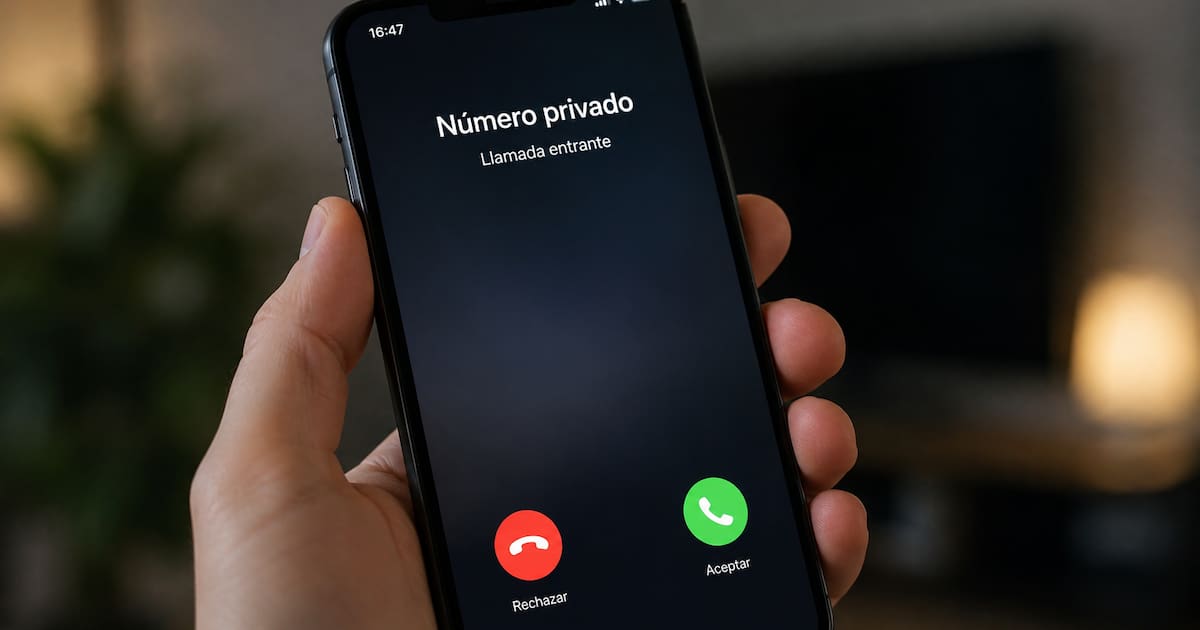
The mechanics behind hiding a phone number are rooted in legacy telephony architecture that modern wireless carriers inherited and adapted. When you dial an outbound call, the mobile network generates two distinct pieces of information: the Calling Party Number (CPN) and the billing identity known as Automatic Number Identification (ANI). Standard consumer caller ID relies on CPN, which is designed to be configurable for presentation purposes.
Entering the North American *67 call blocking code or the international #31# mobile prefix instructs the cellular tower's software switch to insert a privacy restriction flag into the signaling data stream. When the call reaches the destination gateway, the terminating network reads this privacy flag and instructs the receiving handset to suppress the CPN string. The phone rings, but the operating system renders generic placeholder text. Argentine news outlet Minuto Uno documented this widespread practice in early 2026, noting that viral tutorials continue to convince millions that these basic prefix codes act as cryptographic cloaks. In reality, they are merely polite digital requests sent across public signaling lines, asking the receiving display not to print cleartext numbers.
Operating system controls execute this identical request on a persistent basis. In Apple's ecosystem, navigating to phone configurations lets users toggle the iPhone Show My Caller ID setting, which applies the network suppression request to every single outbound voice packet. Similarly, standard Android call settings under supplementary services offer an identical toggle labeled "Hide number." These toggles change nothing about the fundamental network payload; they simply automate the entry of the GSM #31# carrier command on every dialed call.
Maya is a hardware enthusiast who tests and reviews smart home devices, smartphones, wearables, and audio gear. She focuses on practical consumer value and build quality.
