Butter vs Margarine Chemical Breakdown: What Are You Actually Eating?
 By Elena Rostova
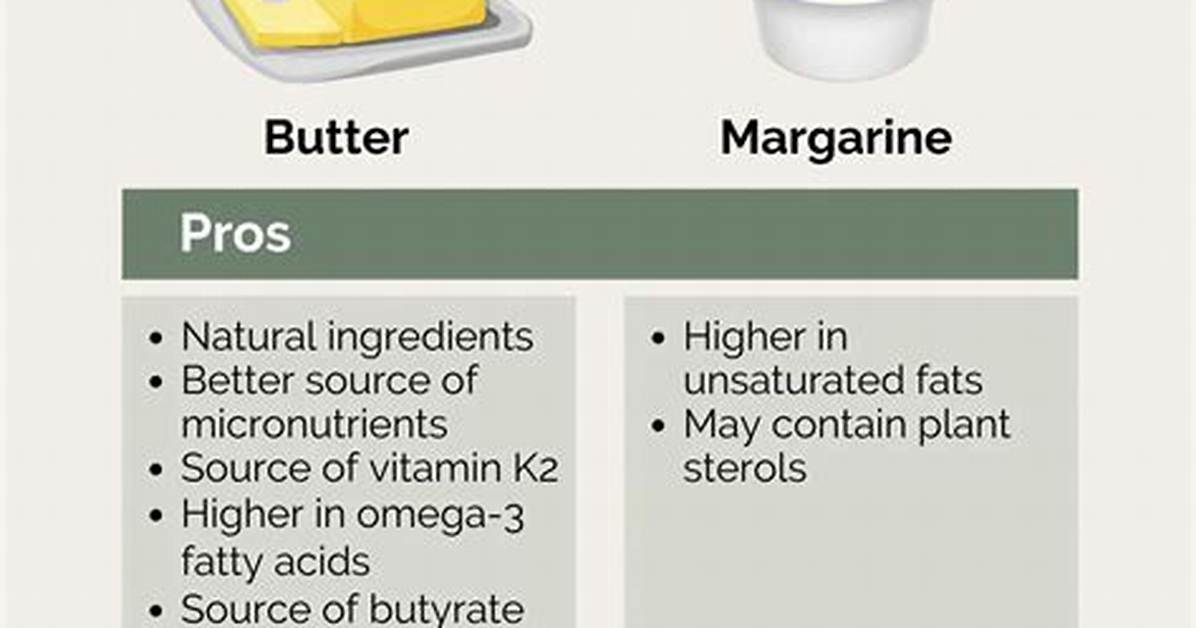
The modern grocery landscape features a major naming dispute: the repackaging of conventional margarine as premium "plant butter." Driven by consumer demand for plant-based alternatives, brands have swapped tub margarine designs for rectangular paper blocks wrapped in matte foil, charging premium prices.
This marketing strategy triggered intense legal backlash. In a notable federal class action detailed by ClassAction.org, plaintiffs challenged Upfield's marketing of Country Crock Plant Butter. The lawsuit asserted that promoting the product as an inherently healthier, novel alternative misled shoppers, arguing that the ingredient list, relying on a blend of palm, soybean, and canola oils, functions as an identical formula to traditional margarine.
[Traditional Margarine Tub] [Modern "Plant Butter" Block]
• Palm / Canola / Soybean Oil • Palm / Canola / Olive Blend
• Water + Salt • Water + Salt
• Soy Lecithin Emulsifier • Sunflower Lecithin
• Mono- & Diglycerides • Natural Flavors
↳ Sold as budget utility spread ↳ Sold at a 40% retail markup
Palm oil remains the foundational base of these plant-derived sticks because it provides solid saturated fats without requiring chemical partial hydrogenation, which creates harmful trans fats. Yet from a fatty acid standpoint, interesterified palm oil matrices mimic the physical firming properties of old-school margarine bricks. Consumers purchasing these products under the assumption that they are buying cold-pressed culinary innovations often receive standard industrial emulsion science under a different label.
Elena Rostova holds a Master's degree in Public Health Journalism. She covers groundbreaking medical research, holistic wellness trends, mental health awareness, and nutritional science.
