Botanical Fact-Check: Are Avocados, Acorns, and Açaí Technically Fruits?
 By Elena Rostova
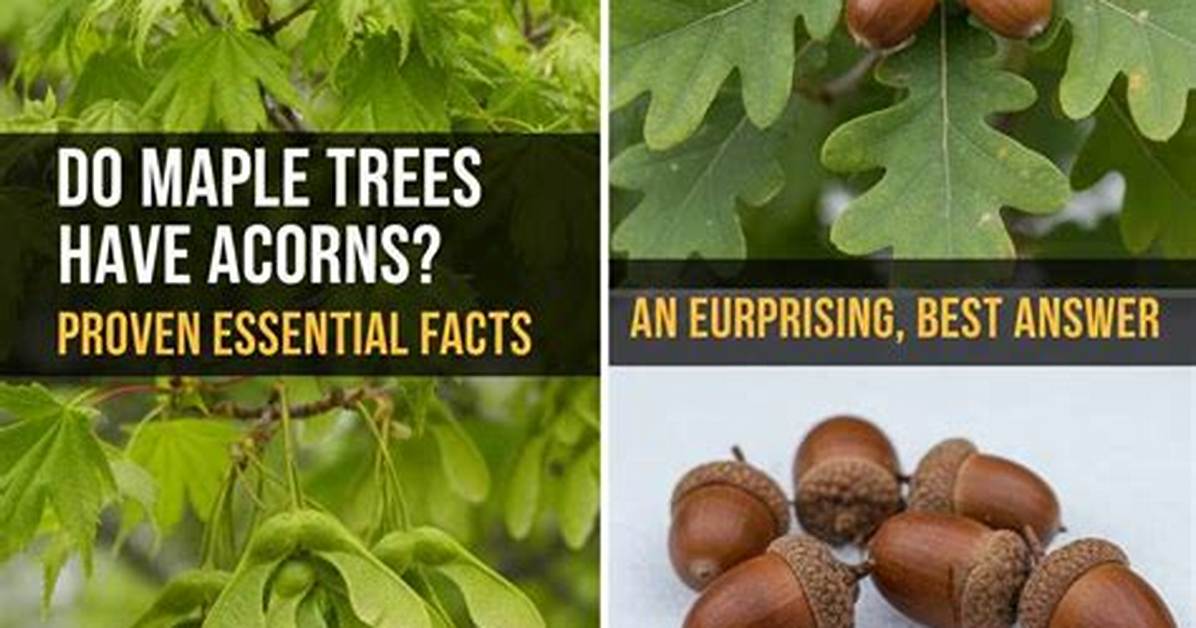
The divergence between culinary conventions and carpological science boils down to function versus morphology. Chefs define fruits by high sugar content, pronounced acidity, and their role in breakfast dishes or desserts. Botanists classify fruit strictly through plant organ development: if a structure develops from the fertilized ovary of an angiosperm flower and encases one or more seeds, it is a fruit.
This ovary wall, known as the pericarp, typically divides into three distinct layers: the exocarp (skin), the mesocarp (fleshy tissue), and the endocarp (the interior layer surrounding the seed). When a tomato, zucchini, or avocado develops, it fulfills every condition of this developmental process. In contrast, true vegetables represent vegetative components, the roots, stems, leaves, or immature flower buds of a plant. Rhubarb is a culinary fruit but a botanical vegetable stem; the avocado is a culinary vegetable but an undeniable botanical fruit.
The distinction matters beyond taxonomic pedantry. Agronomists track ovary development to assess crop health, heat stress, and pollination rates. When spring heat spikes hit commercial orchards, premature fruit drop reflects floral ovary abortion rather than leaf stress. Treating fruit-bearing plants as simple leafy vegetables leads to fertilizer blunders, such as dumping excessive nitrogen into soil, which triggers sprawling foliage while starving developing ovaries of the potassium and phosphorus needed to set produce.
Elena Rostova holds a Master's degree in Public Health Journalism. She covers groundbreaking medical research, holistic wellness trends, mental health awareness, and nutritional science.
