Beyond Fry Bread: Inside the Ancestral Revolution Redefining Native American Cuisine Today
 By Marcus Vance
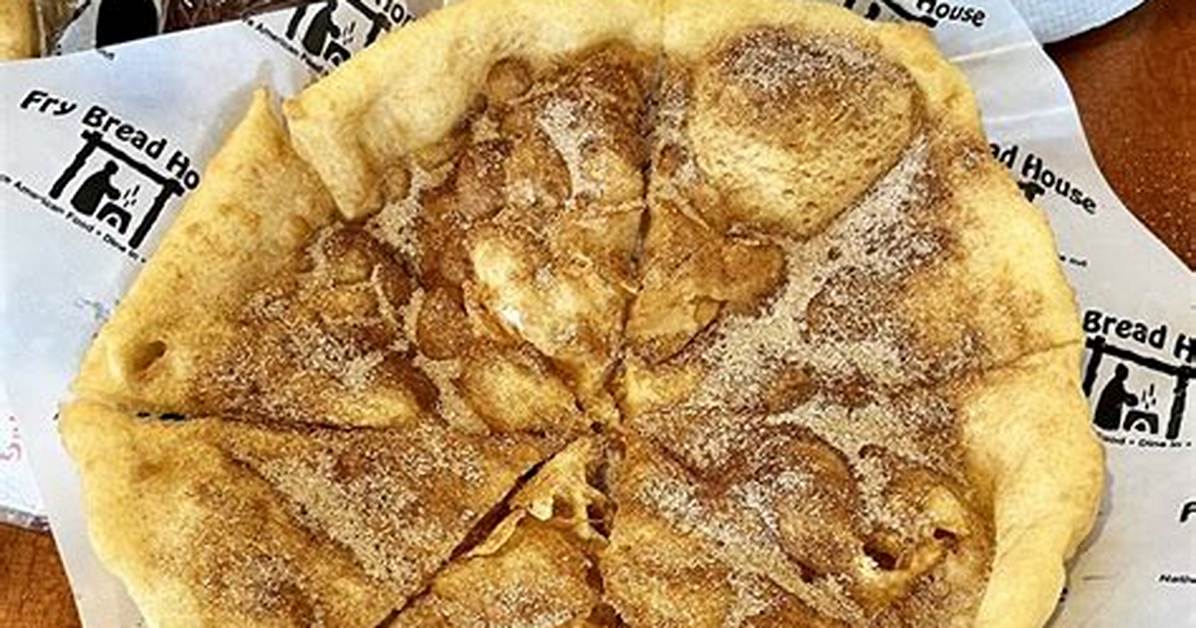
To understand modern Native cooking, one must confront the history behind its most visible commodity. Frybread was born in 1864, when the United States government forced roughly 10,000 Diné (Navajo) people to walk over 300 miles from their homelands in Arizona to the desolate internment camp at Bosque Redondo, New Mexico. Starving on land unable to support their traditional crops, the Diné were issued emergency rations: white wheat flour, refined sugar, salt, and lard. Frybread became a tool of pure survival.
Over generations, the food traveled across reservations via the federal Food Distribution Program on Indian Reservations (FDPIR), commonly known as commodity foods. Families adapted, transforming industrial rations into symbols of resilience, community gatherings, and powwow culture.
That survival, however, carried severe physiological costs. The introduction of high-glycemic carbohydrates and hydrogenated fats displaced balanced diets of game, wild greens, and ancient grains. By the early 2000s, federal health data showed American Indian and Alaska Native adults suffered from type 2 diabetes at rates more than double the national average. Today, cooks navigate this tension carefully: honoring the survival frybread represents, while pushing diners to explore the pre-colonial cuisine that supported their ancestors for generations.
Marcus Vance is a cybersecurity auditor and technology writer dedicated to educating the public about online safety, data privacy regulations, enterprise security, and emerging cyber threats.
