Beyond Douyin: the Reality Behind Tiktok International and the Rednote Migration
 By Chloe Bennett
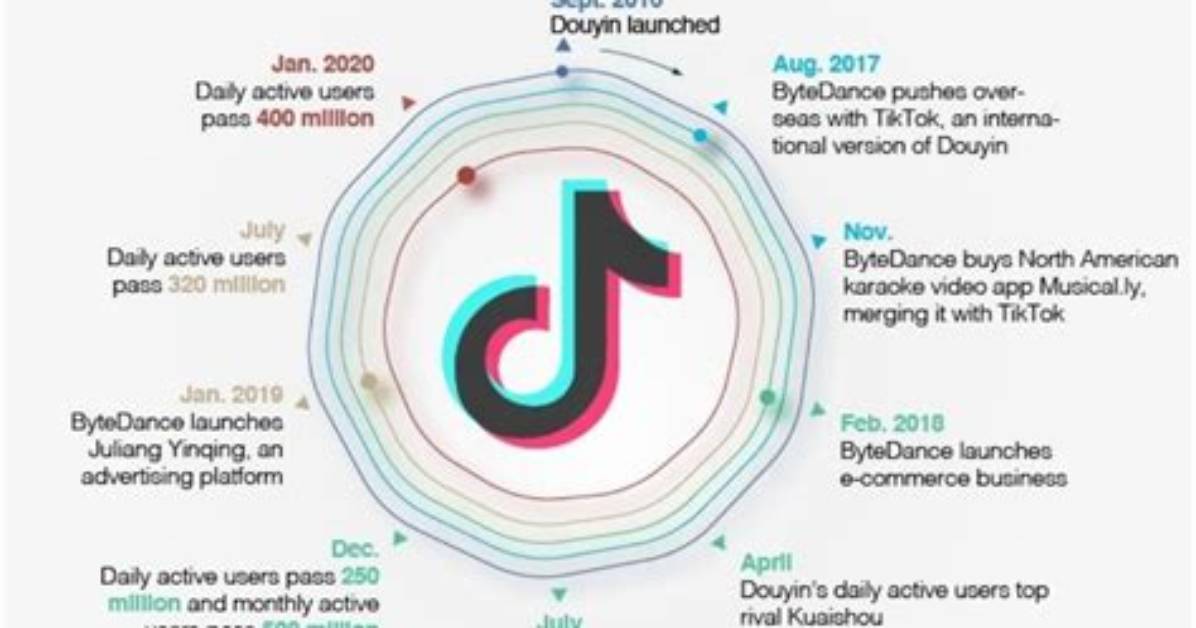
The sudden interest in alternative platforms did not occur in a vacuum. It was the direct byproduct of prolonged geopolitical gridlock. As the legal challenges surrounding the Protecting Americans from Foreign Adversary Controlled Applications Act made their way through federal appeals and reached the Supreme Court, creators faced the tangible prospect of losing their digital storefronts overnight.
ByteDance spent years attempting to assuage national security anxieties via Project Texas, a $1.5 billion data-isolation initiative routed through Oracle cloud infrastructure. Yet Capitol Hill remained skeptical of the boundary lines separating ByteDance’s Beijing headquarters from TikTok's international operations in Los Angeles and Singapore. When legal avenues tightened, users realized that platform diversification was no longer optional. It was a basic requirement for creator survival.
Instead of consolidating on domestic platforms, younger cohorts executed an ironic counter-move. Believing that a ban targeting Chinese-owned software was fundamentally absurd, communities organized mass migrations directly to native Chinese social platforms. Within days, lifestyle vloggers, independent thrift sellers, and beauty reviewers set up shop on Xiaohongshu, seeking an algorithmic sanctuary outside the reach of US congressional oversight.
Chloe Bennett explores the intersection of pop culture, streaming entertainment, digital trends, and contemporary lifestyle. Her weekly commentary reaches thousands of culture enthusiasts.
