Behind the Contracts: Evidence of How the Definition of Legal Is Changing Across Industries
 By Marcus Vance
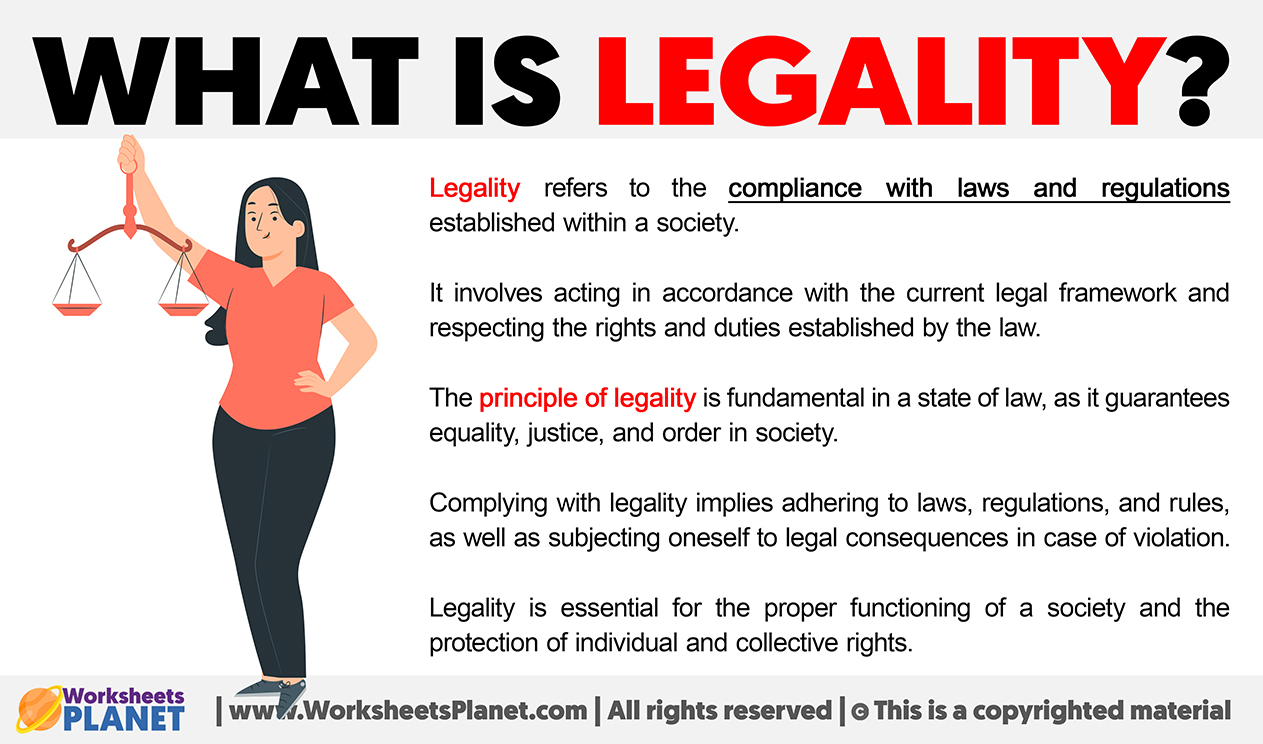
The traditional understanding of legality separates law into neat compartments: criminal bans, statutory codes, agency oversight, and civil torts. If an enterprise did not violate an explicit code or regulatory standard, the activity was lawful. In modern transactions, that baseline is insufficient. An operational choice can clear federal hurdles while simultaneously exposing a business to complete financial destruction through private dispute mechanisms.
This divergence illustrates the growing rift between statutory law vs contractual obligation. Federal and state agencies write regulatory compliance standards to set universal floors for safety, privacy, and fair dealing. Private corporate agreements, however, bypass these general floors to construct individualized, enforceable legal regimes. A software deployment may satisfy every clause of HIPAA or the FTC Act, but the contract governing its use might strip away all implied warranties and shift third-party damages directly to the client. Legality, therefore, ceases to be an objective status granted by the state. It becomes an ongoing calculus of enforceability under modern law, weighed against the balance sheet of whoever signed the master services agreement.
Marcus Vance is a cybersecurity auditor and technology writer dedicated to educating the public about online safety, data privacy regulations, enterprise security, and emerging cyber threats.
