As Clocks Spring Forward, Here Is the Real Meaning of Am and Pm Explained
 By Sophia Al-Mansoor
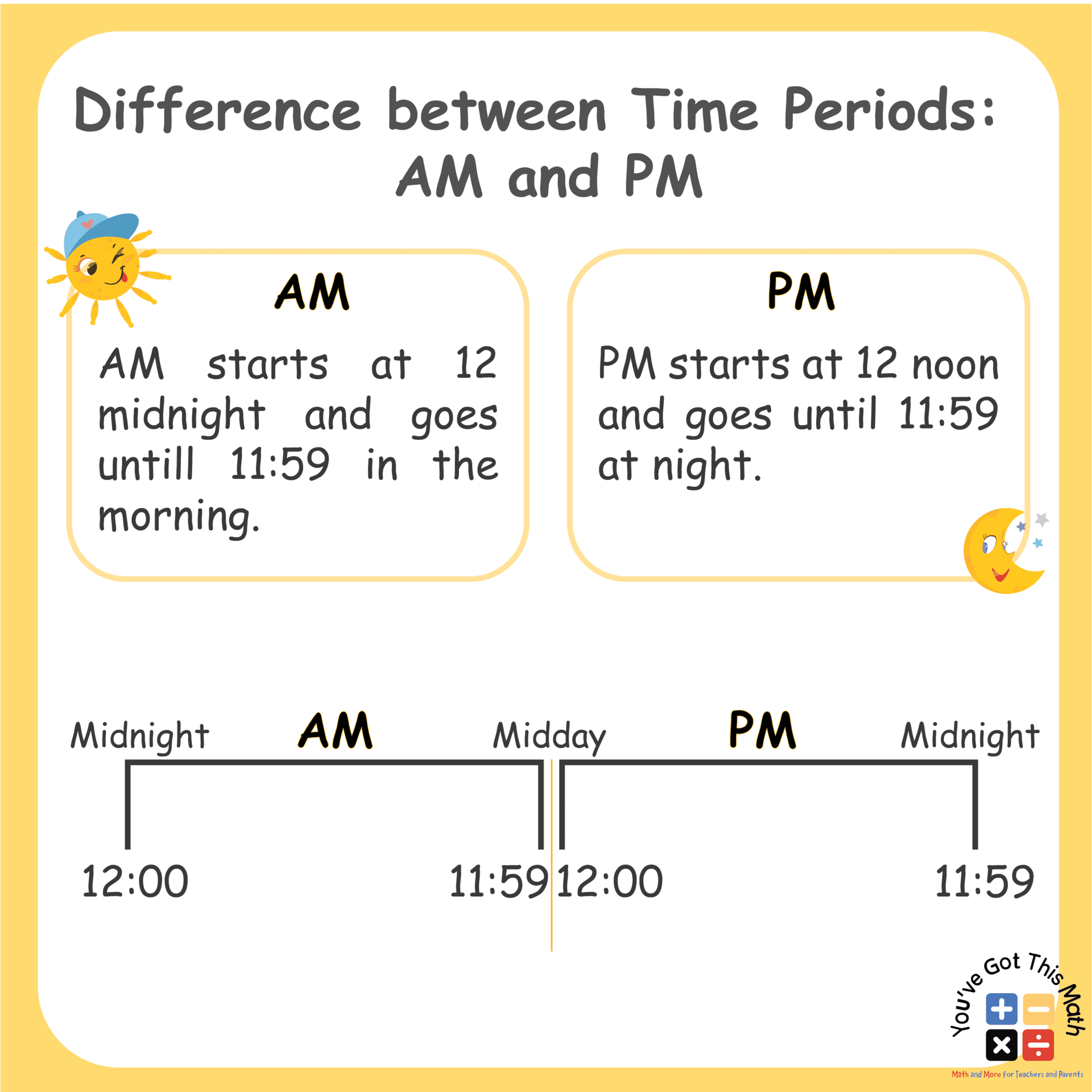
Q1: Does 12:00 AM belong to the day that just ended or the day just beginning?
A1: In digital clock systems and civil standards, 12:00 AM marks the initial second of a new day. For instance, 12:00 AM on Friday occurs the precise moment Thursday night ends. To avoid missed flights or missed deadlines, specify "11:59 PM Thursday" or "12:01 AM Friday."
Q2: Why are AM and PM capitalized differently across different publications?
A2: Formatting comes down to competing editorial style guides. The Associated Press (AP) mandates lowercase letters with periods (a.m. and p.m.). The Chicago Manual of Style accepts small capitals (AM and PM) or lowercase periods. Technical standards generally use capital letters without periods (AM and PM) for clear legibility on digital displays.
Q3: Why doesn't the United States switch completely to the 24-hour clock?
A3: Resistance is cultural rather than technical. Analog clocks and wristwatches are physically built around a 12-hour circular face. Because children learn to read time on 12-step dials, changing public infrastructure, broadcast nomenclature, and consumer habits would require massive effort for an everyday convention that people already manage instinctively.
Sophia analyzes international trade, startup ecosystems, retail transformation, and supply chain logistics for modern digital publications.
