Are Cats Really Colorblind? Veterinary Science Debunks the Feline Vision Myth
 By Elena Rostova
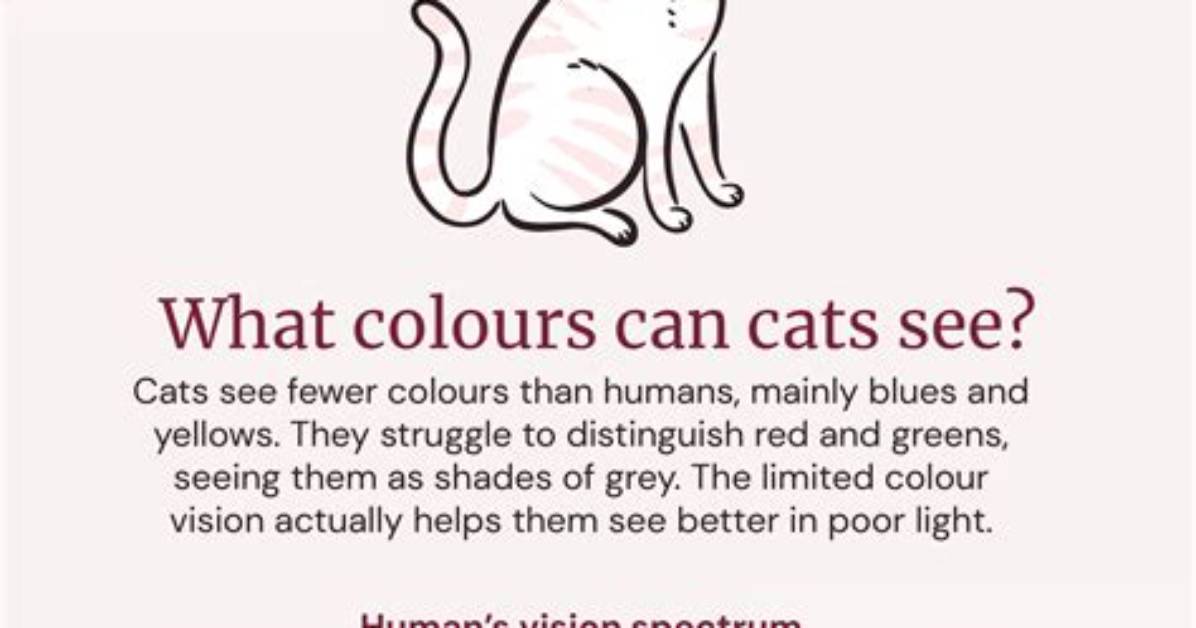
The idea that non-human mammals inhabit a monochrome void gained traction during mid-twentieth-century behavioral trials. Early laboratory testing often presented animals with desaturated visual cues or failed to control for luminance, leading researchers to conclude that cats were indifferent to hue. Because an animal did not respond enthusiastically to an isolated red card, observers inferred that the animal could not register color at all.
Popular culture quickly amplified the error. Cartoons, early veterinary pamphlets, and standard training manuals spent decades repeating the claim that dogs and cats operate in black and white. Even as clinical ophthalmology advanced during the late 1990s and early 2000s through electroretinography, the correction struggled to penetrate public consciousness. Feline eyes seemed alien, unreadable, and fundamentally detached from our own chromatic experiences.
Pet mythology often treats animal senses as either completely blind or superhumanly omniscient. Similar misunderstandings surround coat coloration and intelligence, such as recurring debates cataloged by publications like Catster and The Spruce Pets regarding whether tuxedo or black cats possess distinct cognitive abilities. In reality, eye architecture follows strict evolutionary trade-offs. Cats are not blind to color; they simply view an entirely different slice of reality.
Elena Rostova holds a Master's degree in Public Health Journalism. She covers groundbreaking medical research, holistic wellness trends, mental health awareness, and nutritional science.
